


Loading, please wait...


London Theatre Packages
From theatre tickets to show-plus-meal deals, enhance your experience with our exclusive packages, including the option of a luxurious West End hotel stay.
Show and Stay: London Theatre Breaks
Top London Theatre Shows
Looking for a good laugh? Craving an evening of non-stop dancing? Or perhaps you're wanting to get lost in a timeless classic? London's vibrant theatre scene has it all. Take your time to choose from the awe-inspiring line-up of shows currently captivating audiences on stage:

Les Misérables
Featuring some of the most iconic and stirring show tunes, Les Misérables is a theatrical extravaganza that promises an unforgettable experience.

Harry Potter and the Cursed Child
Prepare for spectacular spells, a mind-blowing race through time, and an epic battle to stop mysterious forces, all while the future hangs in the balance.
Find out more
TINA: The Tina Turner Musical
Discover the acclaimed musical journey that takes you from Tina Turner's humble beginnings to her triumphant reign as the Queen of Rock 'n' Roll.
Find out more
Wicked
Discover the enchanting tale of the witches of Oz and experience gravity-defying magic at this West End musical phenomenon.

The Wizard of Oz
Follow the yellow brick road to The Wizard of Oz Musical! Starring JLS sensation Aston Merrygold as The Tin Man, this spectacular production will be truly magical for all the family.

Starlight Express
Andrew Lloyd Webber's Starlight Express returns in a purpose-built venue. Watch in awe as the cast speed around the stage, telling the story of Rusty the steamtrain.
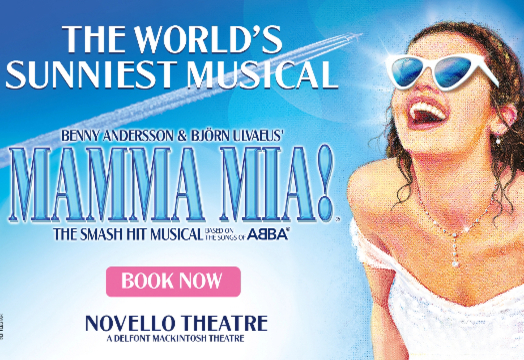
MAMMA MIA!
ABBA's timeless songs ignite a heartwarming journey of love, laughter, and friendship in this globally acclaimed smash hit West End show.
Find out more
The Phantom Of The Opera
Andrew Lloyd Webber's legendary musical is a true testament to theatrical greatness, hailed as one of the most dazzling productions in stage history.
Find out more
The Devil Wears Prada
Hilariously fun and fabulously stylish, This brand-new adaptation of The Devil Wears Prada tells an inspiring story about discovering what kind of person you truly want to be.
Find out more
Mean Girls
Get in loser, MEAN GIRLS is coming to London in Spring 2024. Expect iconic characters, razor-sharp wit, and killer songs. Grab your friends and your cool mom, this is going to be so fetch!
Find out more
The Lion King
Experience the mesmerizing world of Disney's award-winning musical, filled with explosive colours, dazzling effects, and unforgettable music.

Sister Act The Musical
Hallelujah! Audiences will be treated to Beverley Knight in the role of Deloris van Cartier, joined by Ruth Jones as Mother Superior from the 15th March to 8th June.
Find out more
Magic Mike
Magic Mike Live comes to London! This scintillating live production is the epitome of sensual entertainment, promising a night of excitement, glamour, and pure seduction.
Find out more
MJ The Musical
Step into the world of the King of Pop as Michael Jackson's electrifying hits are brought to life, along with dazzling choreography and immersive visuals.

Hamilton
Lin-Manuel Miranda's award-winning Hamilton storms the West End, blending history, hip-hop, and exceptional storytelling to shed light on America's Founding Fathers.
Find out more
The Mousetrap
Who did it? Solve the mystery at the World's longest-running play. Get your tickets now and be part of the thrilling theatre experience!

Stranger Things: The First Shadow
Embark on a gripping adventure as a multi-award-winning creative team unveils the origins of Stranger Things and the key to its ultimate conclusion.

Cabaret
Be yourself as the Cabaret performers of the famous Kit Kat Club take over the Playhouse theatre for one of the most popular musicals of all time.

Disney's Frozen The Musical
This breathtaking stage show will have you falling in love with the beloved Frozen characters all over again.

Back To The Future
Take an electrifying ride back in time with this award-winning pop culture smash hit! Set your destination time and get ready to be amazed!

Mrs. Doubtfire The Musical
Prepare to be dazzled and delighted with this hilarious comedy musical that re-imagines the well-loved and classic movie.

Matilda The Musical
Step into the magical world of Roald Dahl's cherished childhood story as it comes to vibrant life on stage in this multi-award-winning production.

Moulin Rouge!
Step into a dazzling world of glitz and glamour with this high-kicking, jukebox musical that promises a spectacular journey you won't want to miss!
Find out more
The Book of Mormon
Join in the fun of this hilarious and irreverent musical comedy from the creators of 'South Park'.

Guys & Dolls
Step into a world of gamblers and romantics with this toe-tapping, heartwarming adventure that rolls the dice on love and luck in the bustling streets of New York City.
Find out more
Opening Night
Inspired by the iconic film, this groundbreaking show stars BAFTA and two-time Olivier® award-winner Sheridan Smith and is already set to be the talk of the town.
Find out more
Witness For The Prosecution
You have been summoned for jury service. Leonard Vole is on trial for his life, accused of a murder motivated by greed. Will he overcome the damning evidence and prove his innocence?

Standing At The Sky's Edge
Celebrated as a vibrant new British musical, Standing At The Sky's Edge presents the interwoven stories of three generations across six decades in Sheffield, exploring love, loss, and resilience
Book Now
Hello, Dolly!
Imelda Staunton returns to the stage in Hello, Dolly!
In the musical, the meddlesome Dolly Levi becomes a matchmaker in New York, only to find her own match.

Cruel Intentions
From the team behind Heathers The Musical comes Cruel Intentions: The ‘90s Musical, featuring a live soundtrack of iconic 90s hits, including ‘Genie in a Bottle’ by Christina Aguilera.
Book Now
Need help choosing your next show?
If you're unsure what show to go to and want a quick, tailored and personalised experience – try our new AI Show Finder.
Our Latest Experiences and Exclusive Deals
-
 SAVE UP TO 36%
Theatre Tickets & Meal
Top show and attraction tickets
Delicious meal at a top London restaurant
There's no need to worry about reservations during your London visit; we've already polished the silverware and reserved the best views for you.
Secure your spot at top UK shows and attractions and sought-after dining venues without the fuss.
Book now from £60 -
 AWARD WINNING SHOWS
Theatre Tickets
Top shows, prime seats
Dive into the heart of London's famed theatre scene with our exclusive selection of tickets to the most celebrated West End shows.
From timeless classics to modern masterpieces, find your perfect seat at the best prices.
Book now from £40
-
 UNMISSABLE SAVINGS
Latest Deals
Fantastic promotions and exclusive deals
Explore our selection of deals on a wide range of UK breaks from West End shows to river cruises.
All of our offers include tickets, an overnight stay and breakfast in a hotel close to your activity.
Secure Savings
Hand-picked hotels
Skip the commute home after the show with a stay at a central London hotel included in your package, your evening doesn't have to end as the curtains close. After the final bow, London is your playground. As a trusted partner of the top London hotel chains, we're dedicated to offering you exceptional deals for a stay that's not just close to the theatre, but part of the entire enchanting experience.
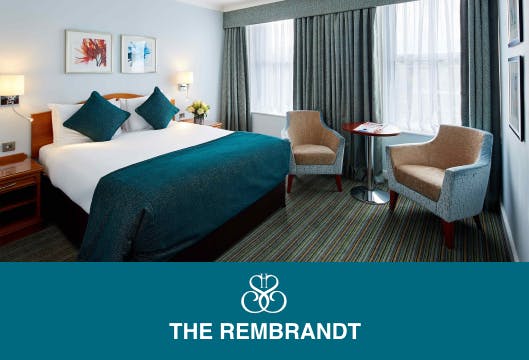
The Rembrandt
South Kensington
Free WiFi
Breakfast included
On-site restaurant
Indoor Pool
Set the stage for an epic theatre break at this 4-star hotel, where you can enjoy superb facilities whilst revelling in playful luxury and dazzling décor.
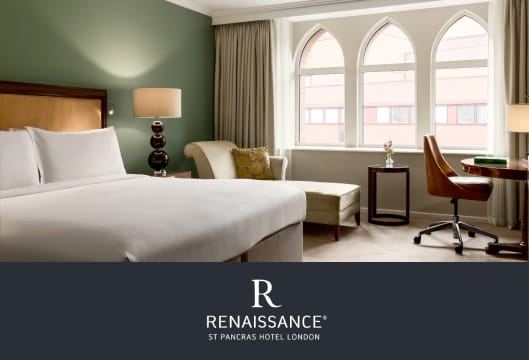
St Pancras Renaissance
King's Cross
Free WiFi
Breakfast included
Spa and fitness
Indoor pool
Step into a world of timeless elegance and unbeatable luxury at this 5-star hotel in the heart of London, where Victorian grandeur meets modern sophistication.
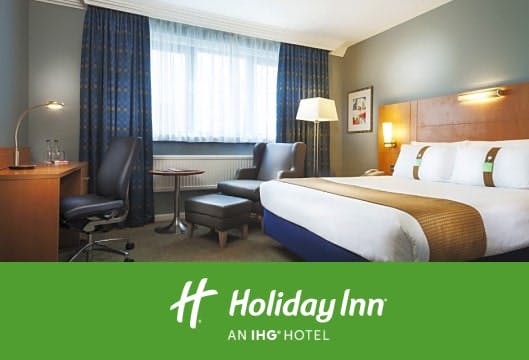
Holiday Inn Bloomsbury
Coram St, Bloomsbury
Free WiFi
Breakfast included
Parking
Stay classy in the heart of London at this stylish Holiday Inn. Savour delicious bites, rest and recharge in comfort and surf the web with free WiFi.
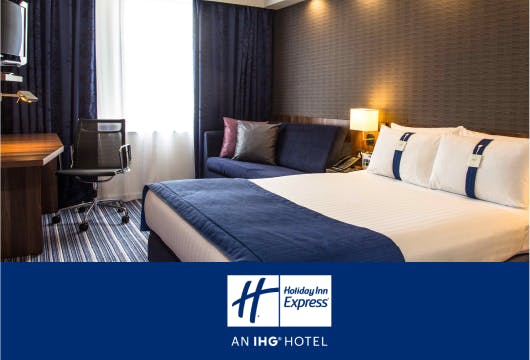
Holiday Inn Express Earls Court
Earls Court
Free WiFi
Breakfast included
Bar and lounge
This super-smart West London hotel features free high-speed WiFi, a scrumptious buffet breakfast, and rooms made for pure comfort.
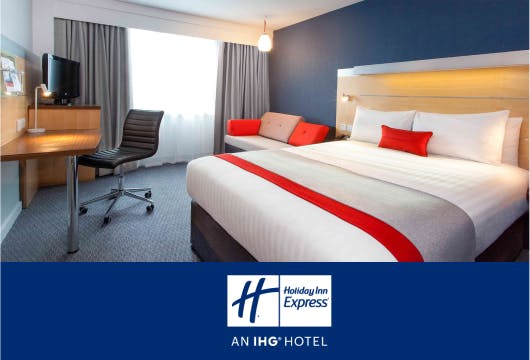
Holiday Inn Express Limehouse
The Highway
Free WiFi
Breakfast included
Bar and lounge
This Holiday Inn offers secure parking, spacious rooms, and a prime location outside the London Congestion Zone in the heart of the Docklands.
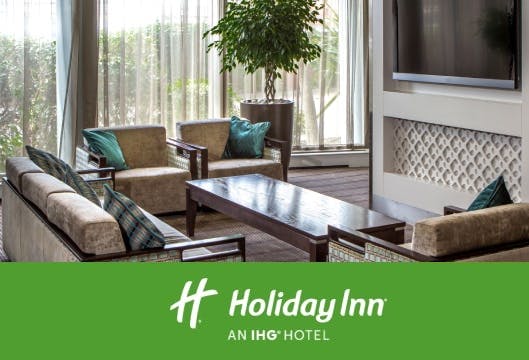
Holiday Inn Express Royal Docks
Docklands
Free WiFi
Breakfast included
Parking
Conveniently located just 5 minutes from Canning Town tube station, this hotel offers easy access to Central London. Enjoy affordable parking at £15 per day, allowing you to explore the city hassle-free.
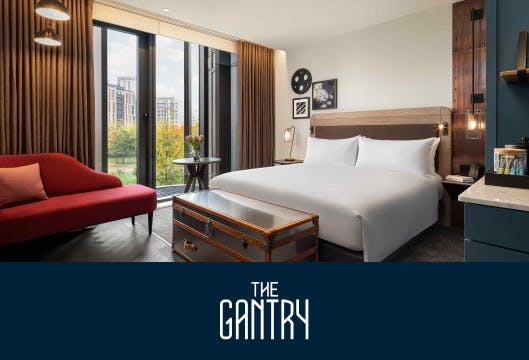
The Gantry
East Village
Free WiFi
Breakfast included
On-site restaurant
Cocktail bar and terrace
Experience this urban resort and hotel, complete with stylish rooms, vibrant vibes, and a stage-worthy stay in the heart of the action.

Sunborn London Yacht Hotel
Royal Victoria Dock
Free WiFi
Breakfast included
On-yacht restaurant
Anchor yourself in luxury and enjoy the unique experience of staying on an ocean-going yacht combined with the comfort of a top-class hotel.
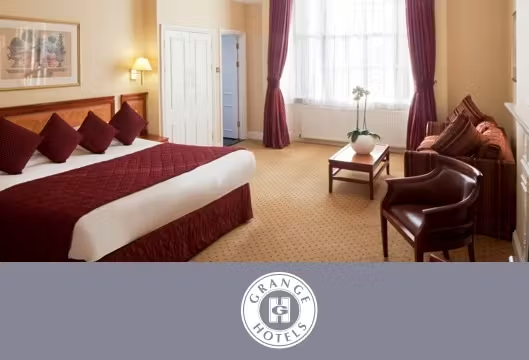
Grange Clarendon Hotel
Bloomsbury
Free WiFi
Breakfast included
Onsite restaurant
This 4-star gem near Euston Station is a Georgian townhouse turned trendy boutique hotel. Perfectly restored period vibes included.
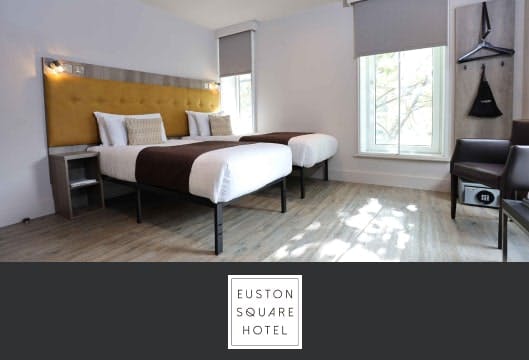
Euston Square Hotel
Gower Street
Free WiFi
On-site restaurant
Breakfast included
With cosy rooms, a great atmosphere, and a prime location, this hotel is your perfect base for a sensational theatre break in London.

We're thrilled to announce that for the second consecutive year, Holiday Extras has been crowned the Best Company for UK Short Breaks at the prestigious British Travel Awards 2023!
At Holiday Extras, we've been perfecting the art of hassle-free UK breaks for over 40 years, and we're not stopping anytime soon.
Frequently Asked Questions
What are the best theatres in London?
London has some of the very best theatres in the world. Here's a selection of the top 10:
- The Adelphi Theatre which showcases record-breaking productions and hit Broadway musicals on the Strand, in the City of Westminster.
- The Barbican in the City of London which provides the base of the London Symphony Orchestra.
- The London Coliseum in the West End is the home of the English National Opera.
- The Lyceum Theatre located on Wellington Street, is one of the UK's most important and prominent theatres.
- The National Theatre on the South Bank, one of London's most iconic repertory theatres.
- The Noël Coward Theatre in St. Martin's Lane, which hosts many award-winning productions.
- Regent's Park Open-Air Theatre, an award-winning theatre nestled between the trees at Regent's Park.
- The Royal Opera House in Covent Garden. Home to The Royal Opera, The Royal Ballet and the orchestra of the Royal Opera House.
- Shakespeares Globe, one of the finest repertory theatres in the world, located on the South Bank.
- Shaftesbury Theatre on Shaftesbury Avenue. The largest independent theatre in the West End.
What are the best West End theatre shows in 2024?
From magical musicals, to intense dramas and edge-of-your-seat thrillers, we've handpicked what we think are the best London theatre shows to experience this year. The Top 10 best London theatre shows of 2024 are:
- MEAN GIRLS at the Savoy Theatre from June to October
- Plaza Suite at the Savoy Theatre from 17th January to 31st March
- MJ The Musical at the Prince Edward Theatre
- TINA: The Tina Turner Musical at Aldwych Theatre
- The Lion King at the Lyceum Theatre
- WICKED the Musical at the Apollo Victoria Theatre
- Matilda the Musical at the Cambridge Theatre
- Back to the Future: The Musical at the Adelphi Theatre
- Les Misérables at the Sondheim Theatre London
- MAMMA MIA! at the Novello Theatre
What are the best seats in a theatre?
While personal preferences play a significant role, there are universally recognized seats known for offering the best views and sound quality. Here's what you need to know:
The Stalls:
- The stalls are closest to the stage, offering an immersive experience.
- Being on the same level as the stage means the sound is direct and often, the most balanced.
The Dress Circle or Royal Circle:
- The first few rows of the dress circle provide an unobstructed, panoramic view of the stage, making them highly sought after.
- The elevation helps in capturing the full range of sounds.
The Grand Circle or Upper Circle:
- Higher up and further back, these seats offer a wide view.
- The acoustics at this height can vary; however, modern theatres are designed to ensure sound quality is maintained.
Our theatre break packages offer a range of seating options, from standard to premium. You're the director of your experience! Choose from stalls, circle, or balcony seats depending on your preference and budget.
What's the best way to travel around London on a theatre break?
One of the easiest and most hassle-free ways of travelling around London is via public transport. All of the theatres in London can be reached easily by bus or using underground tube trains. Bus and tube stations are all within just a 5-minute walking distance of West End theatres. You could also travel in a taxi, though the cheapest option tends to be public transport.
What's the longest running theatre production in London?
The Mousetrap is the world's longest running London theatre production. Agatha Christie's timeless thriller has been running in the West End since November 1952, so it's been playing for almost an incredible 70 years.
What's the longest running West End musical?
Les Misérables is the longest running musical in the West End, after initially opening in the Barbican Center in October 1985, this world-famous musical has been an enormous success, entertaining theatre-lovers ever since. This is followed closely by the phenomenal Phantom of the Opera, which has been wowing audiences since October 1986.
What are the best hotels near the Lyceum Theatre?
Strand Palace hotel and Waldorf Hilton are both 4-star hotels located just a 1-2 minute walk away from the Lyceum Theatre, making them a popular choice with people seeing The Lion King. For more hand-picked recommendations, check out our Top 10 hotels near Lyceum Theatre page.
What are the best hotels near the Aldwych Theatre?
If you're looking for the closest hotel to Aldwych Theatre, the Waldorf Hilton needs to be on your radar - it's just a 1 minute walk away. The NYX Hotel London Holborn, located within easy walking distance (or a quick bus ride away) is also a super convenient choice. Our best hotels if you're on a budget would be the Holiday Inn Bloomsbury or St Giles hotel. For lots more hand-picked recommendations, check out our Top 10 hotels near Aldwych Theatre page.
What is the break in a theatre performance called?
Why Holiday Extras is the best place to book


Interested in more UK short breaks?
Sign up and be the first to hear about our latest deals and special offers:
Terms and conditions apply.
Flexible bookings: We understand how important flexibility is, so add on booking protection to your theatre short break to cancel or amend your booking free of charge up to 72 hours before, no questions asked. This flexibility applies solely to ticket and hotel packages and is not available for Ticket + meal packages or Ticket only bookings.
Never Beaten on Price: You'll always get the best price when you book with us. If you find exactly the same London Theatre Package cheaper, within 24 hours of booking with us, we'll match the price. Take a look at our full terms and conditions for more details.